The Pasteur – Italia laboratories are located in the renovated premises of the former Regina Elena Hospital – today a research center for studies conducted in the field of molecular medicine, biotechnology and nanotechnology. The laboratory consists of five adjacent rooms (a biochemistry and molecular biology laboratory, a room for cell cultures, one for instrumentation and offices). Istituto Pasteur Italia is located in close proximity to Sapienza University of Rome and benefits from access to advanced infrastructures, animal facilities and equipment for flow cytometry, confocal microscopy, genomics and proteomics.
Prof. Hiscott – an internationally renowned molecular biologist and virologist – was called to Rome to direct the Pasteur laboratory. «This is an exciting and unique opportunity for me: to be surrounded by so many valuable researchers, here at the Istituto Pasteur and at the nearby University. I am also honored to be connected to the Network of Pasteur Institutes worldwide and to its mission, that of conducting basic research for the development of new strategies for diagnosis, treatment and prevention of diseases, including infectious diseases and cancer». Hiscott’s research program focuses on the development of new immunotherapeutic approaches against infectious diseases and cancer. An interdisciplinary theme that will allow the various experts from Pasteur and Sapienza to participate in the development of both basic research and translational research programs. The Pasteur laboratory’s research project involves researchers and clinicians in the following fields:
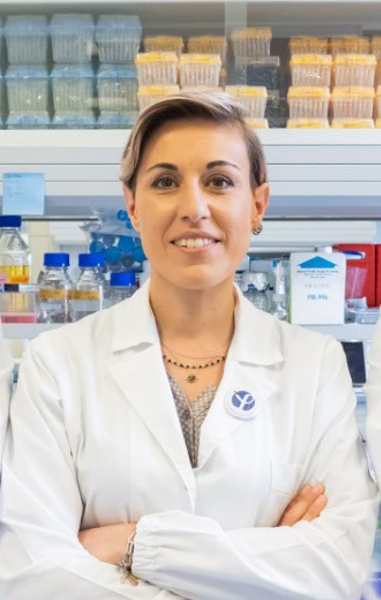
Michela ha conseguito il dottorato presso l’Università Sapienza (Roma, Italia), dove si è occupata della caratterizzazione molecolare di mutanti del soppressore tumorale p53 e analisi delle vie di trasduzione del segnale che regolano l’attivazione dei linfociti T. A seguito di un’esperienza lavorativa presso l’IRCCS Istituto Nazionale Tumori Regina Elena (Roma, Italia), impegnata in un progetto sulla plasticità metabolica di cellule staminali tumorali, nell’Aprile del 2016 Michela è entrata a far parte del Laboratorio di Virologia Molecolare dell’Istituto Pasteur Italia – Fondazione Cenci Bolognetti. All’Istituto Pasteur, Michela studia nuovi approcci immunoterapeutici per il trattamento del cancro e delle malattie infettive. Il suo expertise copre biologia molecolare e cellulare, nello specifico lo studio delle vie di trasduzione del segnale e regolazione epigenetica. Le sue ricerche sono incentrate sull’interazione tra virus oncolitici e sistema immunitario nel trattamento dei tumori solidi e sullo studio di combinazioni terapeutiche in grado di potenziare l’attività oncolitica dei virus rendendo più efficace la replicazione in cellule tumorali resistenti e, di conseguenza, la loro eliminazione.
Michela completed her PhD in Cell and Developmental Biology at Sapienza University (Rome, Italy), where her research focused on signal transduction pathways regulating the activation of T lymphocytes and p53 oncosuppressor mutants in chemotherapy-resistant ovarian cancers models. Then, Michela moved to Regina Elena National Cancer Institute (Rome, Italy), where she worked on the metabolic plasticity and susceptibility to repositioned drugs of breast cancer stem cells and metastases. Since April 2016 Michela joined the Molecular Virology Lab at the Istituto Pasteur Italia – Fondazione Cenci Bolognetti, where her research is focusing on immunotherapeutic approaches for the treatment of cancer and infectious diseases. Her expertise covers molecular and cell biology, more specifically the study of signal transduction pathways and epigenetic regulation. Her research is focusing on the interplay between oncolytic viruses and the immune system for the treatment of solid cancers.
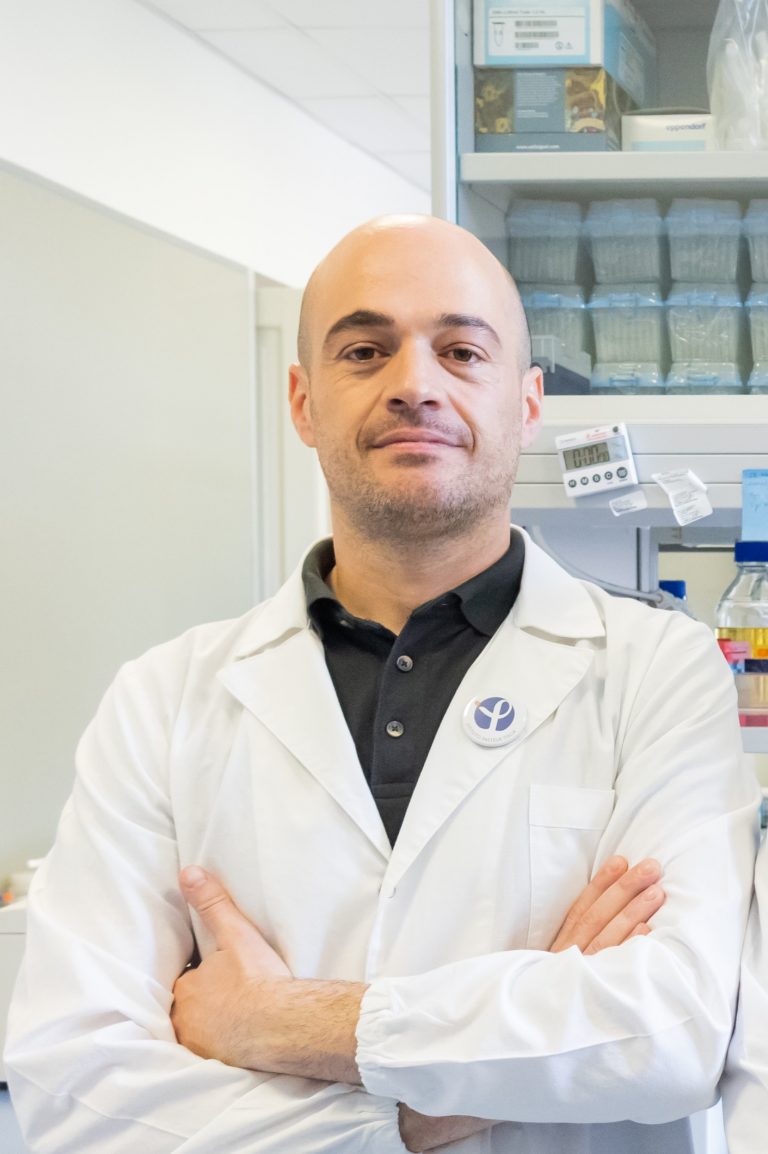
Enrico ha ottenuto la laurea in Biotecnologie Mediche presso l’Università Sapienza di Roma, svolgendo attività di ricerca nel Laboratorio di Virologia del Policlinico Umberto I, dove ha studiato il ruolo della viremia residua nei pazienti HIV-1 positivi in terapia antiretrovirale, occupandosi inoltre di diagnosi e ricerca clinica nell’ambito delle malattie infettive di natura virale. In seguito, consegue il Dottorato di Ricerca in Scienze della Vita (Università Sapienza) presso l’Istituto Pasteur Italia, con un progetto mirato all’identificazione di nuovi approcci terapeutici volti all’eradicazione dell’HIV-1, basati sulla stimolazione dell’immunità innata in combinazione con modulatori epigenetici. Attualmente Enrico studia i meccanismi molecolari alla base dell’interazione ospite-patogeno, con particolare attenzione ai processi che favoriscono la replicazione del virus SARS-CoV-2 eludendo il controllo della risposta immunitaria innata. Si occupa inoltre dello sviluppo di particelle simil-virali (Virus-like particles, VLPs) come vettori cellulo-specifici di acidi nucleici a scopo terapeutico e studia gli effetti del metabolismo cellulare sulla risposta immunitaria nell’infezione da virus Dengue. È inoltre membro della Microbiology Society (London, GB), della British Society for Antimicrobial Chemotherapy (BSAC) (Birmingham, GB) e dell’Editorial Board e del Reviewer Board di riviste scientifiche internazionali peer-reviewed. Nel tempo libero si dedica alla musica, passione che porta avanti da diversi anni.
Enrico obtained the Master Degree in Medical Biotechnology at Sapienza University of Rome, performing research activity in the virology lab of Policlinico Umberto I where he investigated the role of residual viremia in people living with HIV (PLWH) during antiretroviral therapy; he was also involved in diagnostic and clinical research activity in the context of viral infectious diseases.
He obtained his Ph.D. in Life Sciences (Sapienza University of Rome) at Institut Pasteur Italy, working on novel therapeutic approaches to clear latent HIV-1 infection, based on the stimulation of innate immunity and epigenetic reprogramming.
He is currently investigating the molecular processes involved in host-pathogens interaction, with a focus on type I interferon response and the mechanisms of immune evasion exploited by SARS-CoV-2. He is also involved in the development of Virus-Like Particles (VLPs) as cell-specific vectors of therapeutic nucleic acids, and studies the effects of cell metabolism on the immune response against Dengue virus infection. He is member of the Microbiology Society (London, GB), British Society for Antimicrobial Chemotherapy (BSAC) (Birmingham, GB) e of the Editorial and Reviewer Board of international scientific journals.
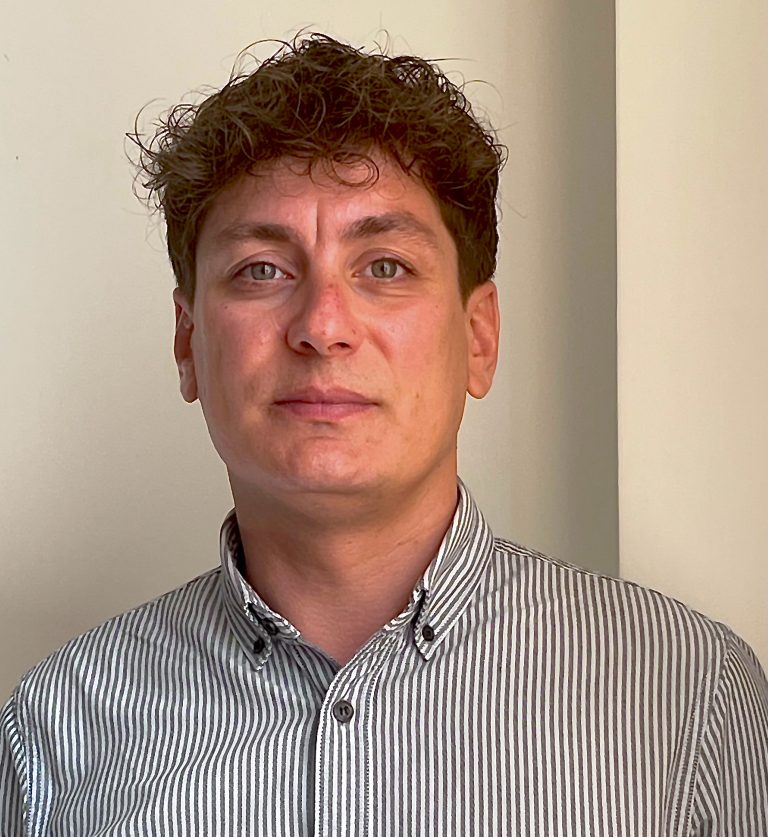
Laureato in Biotecnologie Mediche presso Sapienza Università di Roma, Daniele ha conseguito il dottorato di ricerca in Medicina Molecolare ampliando il proprio interesse e le conoscenze in ambito virologico nel laboratorio di Virologia molecolare del Policlinico Umberto I. Durante il percorso di ricerca ha incentrato i suoi studi sull’efficacia di nuovi inibitori dell’enzima virale “integrasi” nel mantenimento della soppressione virologica in persone che vivono con l’infezione da HIV. Inoltre, ha focalizzato l’attenzione sull’identificazione di microRNA potenzialmente utili come biomarcatori prognostici e di risposta alla terapia antiretrovirale.
Nei laboratori dell’Istituto Pasteur Italia, Daniele si occupa di approcci viroterapeutici per il trattamento del cancro. In particolare, il suo lavoro mira al potenziamento dell’azione oncolitica attraverso la modulazione della risposta cellulare allo stress metabolico.
Graduated in Medical Biotechnology at Sapienza University (Rome, Italy), Daniele obtained his PhD in Molecular Medicine extending his interests and expertise in the virological field in the Laboratory of Molecular virology of Policlinico Umberto I (Rome, Italy). His research studies focused on the efficacy of novel inhibitors of viral integrase enzyme on the maintenance of the virological suppression in people living with HIV. Furthermore, he focused his interest on the identification of microRNAs that could be used as prognostic as well as antiretroviral therapeutic response biomarkers.
In 2021, Daniele joined the Molecular Virology Lab at the Istituto Pasteur Italia – Fondazione Cenci Bolognetti, where he is working on viro-therapeutic approaches for the treatment of cancer. More specifically, his studies aim to potentiate the oncolytic activity by modulating the cellular response to metabolic stress.