Scientific research is made up of people who have chosen to dedicate their lives to science with the goal of improving the living conditions of global society. Supporting Istituto Pasteur Italia means enabling these people to carry forward their projects, engage with internationally renowned colleagues, expand scientific knowledge, encourage continuous professional growth, and provide new ideas and insights that, if tested and shared, could become the new treatments of tomorrow.
Pasteur Italia laboratory researchers
Since 2015, the Institute has established the new Pasteur Italia Laboratories. The director is Prof. John Hiscott, an internationally renowned molecular biologist and virologist, who leads a group of young researchers engaged in the development of new therapeutic approaches against cancer and infectious diseases. The Pasteur laboratories research project involves researchers and clinicians in the following fields: tumor immunotherapy; microbiology; development of antiviral drugs; innate and adaptive immunity to viruses; vaccine development.
John Hiscott, Director of the Pasteur Italia Laboratories
John Hiscott is Professor and Director of the Pasteur Laboratories at Istituto Pasteur Italia – Fondazione Cenci Bolognetti in Rome (Italy). Canadian by birth, he is an internationally renowned virologist and molecular biologist trained in the USA and Europe. His studies are internationally recognized for their contribution in the field of innate and antiviral immunity and the host response to viral pathogens such as influenza, dengue, and HIV-1. Dr. Hiscott has investigated the use of oncolytic viruses as new immunotherapeutic tools against cancer. Hiscott has published more than 290 peer-reviewed biomedical research articles in prestigious journals, such as Science, Nature Immunology, Cell Host & Microbe, Cancer Research, and Proceedings of the National Academy of Sciences USA. He obtained his doctorate in medical sciences from the Medical Center of New York University (NYU) and completed his postdoctoral training at the Roche Institute in New Jersey and the University of Zurich (Switzerland). Before joining Istituto Pasteur Italia, he was Professor and Director of the Molecular Oncology group at the Jewish General Hospital, McGill University in Montreal, and Program Director at the Vaccine & Gene Therapy Institute in Florida. He has received numerous awards and honors throughout his career, including the Milstein Award from the International Society of Interferon and Cytokine Research, Scientist and Senior Scientist fellowships from the Canadian Institute for Health Research, and the Beijerinck Award in Virology from the Leiden University Medical Center (Netherlands). He is a member of the editorial boards of various scientific journals and Editor-in-Chief of Cytokine & Growth Factors Review.
Since 2015, when he established his Laboratory at Istituto Pasteur Italia – Fondazione Cenci Bolognetti, the focus of his research has centered on the study of interferons and host-pathogen interaction, and on the study of new immunotherapeutic approaches for the treatment of cancer and infectious diseases.
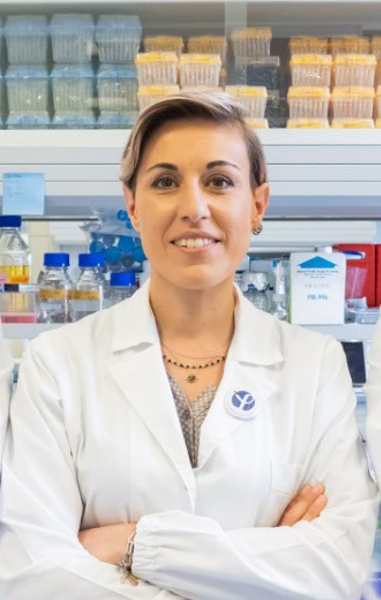
Michela earned her PhD from Sapienza University (Rome, Italy), where she focused on the molecular characterization of p53 tumor suppressor mutants and the analysis of signal transduction pathways regulating T lymphocyte activation. Following a professional experience at the IRCCS Regina Elena National Cancer Institute (Rome, Italy), working on a project regarding the metabolic plasticity of cancer stem cells, Michela joined the Molecular Virology Laboratory of the Istituto Pasteur Italia – Fondazione Cenci Bolognetti in April 2016. At the Pasteur Institute, Michela studies new immunotherapeutic approaches for the treatment of cancer and infectious diseases. Her expertise covers molecular and cellular biology, specifically the study of signal transduction pathways and epigenetic regulation. Her research focuses on the interaction between oncolytic viruses and the immune system in the treatment of solid tumors, as well as the study of therapeutic combinations capable of enhancing the oncolytic activity of viruses by making replication more effective in resistant tumor cells and, consequently, improving their elimination.
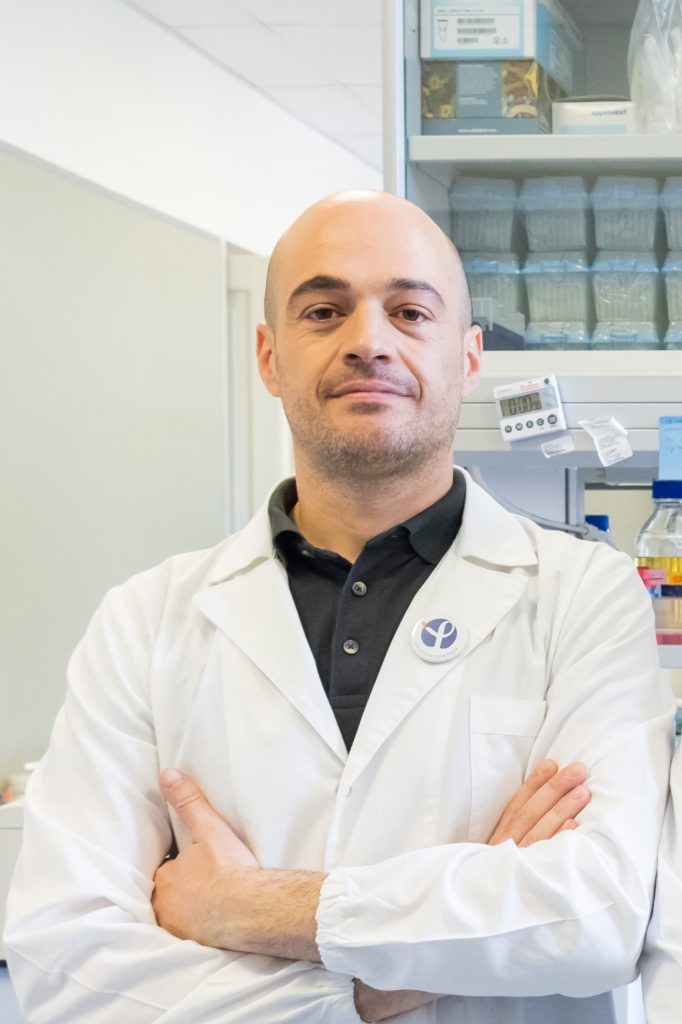
Enrico earned his degree in Medical Biotechnology from Sapienza University of Rome, conducting research at the Virology Laboratory of the Policlinico Umberto I. There, he studied the role of residual viremia in HIV-1 positive patients undergoing antiretroviral therapy, while also working on clinical diagnosis and research in the field of viral infectious diseases. Subsequently, he obtained a PhD in Life Sciences (Sapienza University) at the Istituto Pasteur Italia, with a project aimed at identifying new therapeutic approaches for the eradication of HIV-1, based on the stimulation of innate immunity in combination with epigenetic modulators. Currently, Enrico studies the molecular mechanisms underlying host-pathogen interaction, with a particular focus on the processes that promote SARS-CoV-2 replication by evading the innate immune response. He is also involved in the development of virus-like particles (VLPs) as cell-specific vectors for nucleic acids for therapeutic purposes and studies the effects of cellular metabolism on the immune response in Dengue virus infection. Furthermore, he is a member of the Microbiology Society (London, UK), the British Society for Antimicrobial Chemotherapy (BSAC) (Birmingham, UK), and serves on the Editorial Board and Reviewer Board of international peer-reviewed scientific journals. In his spare time, he dedicates himself to music, a passion he has pursued for several years.
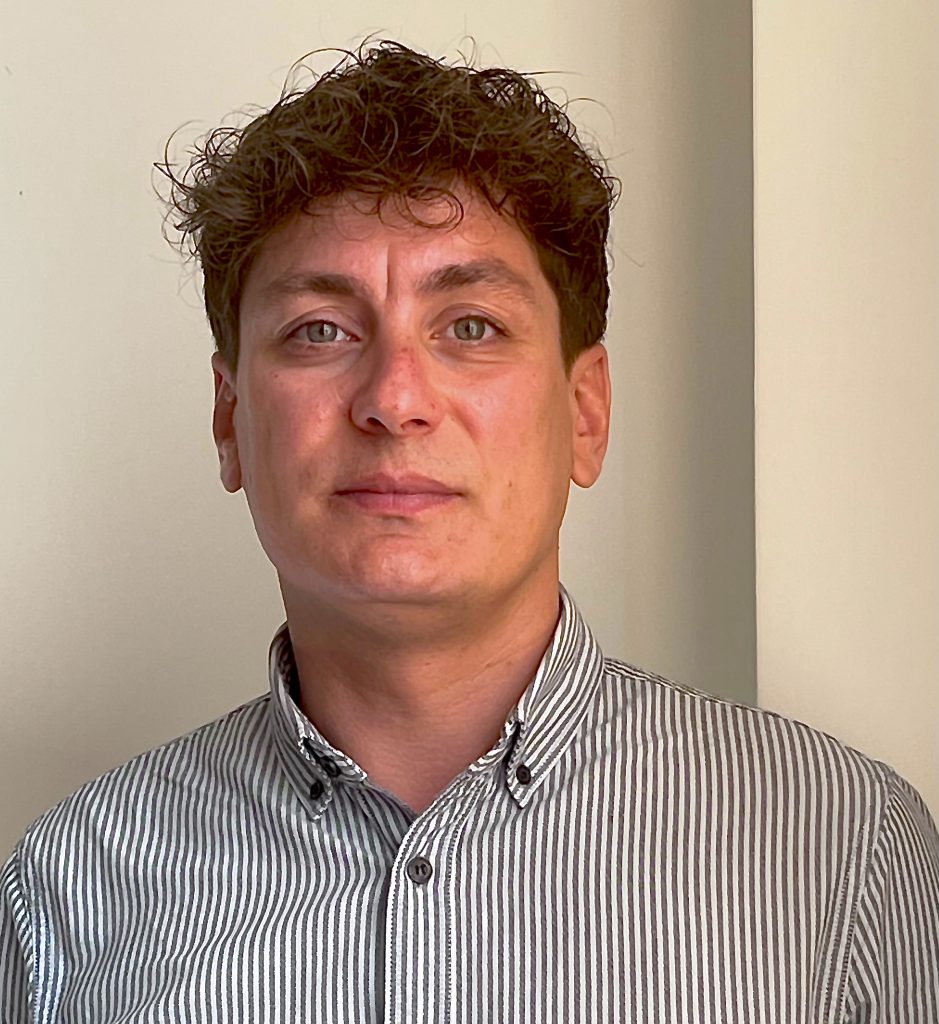
A graduate in Medical Biotechnology from Sapienza University of Rome, Daniele obtained his PhD in Molecular Medicine, expanding his interest and knowledge in virology at the Molecular Virology laboratory of Policlinico Umberto I. During his research, he focused his studies on the efficacy of new inhibitors of the viral enzyme “integrase” in maintaining virological suppression in people living with HIV infection. Additionally, he focused on identifying microRNAs potentially useful as prognostic biomarkers and indicators of response to antiretroviral therapy.
In the laboratories of Istituto Pasteur Italia, Daniele works on virotherapeutic approaches for cancer treatment. In particular, his work aims to enhance oncolytic action through modulation of the cellular response to metabolic stress.